Introduction: Pune Metro Is Changing the Way the City Travels
Pune Metro 2026: Everything You Need to Know is your guide to the latest routes, stations, fares and expansion updates. Pune is growing rapidly, and with its growing population comes an increasing demand for better transportation. Daily traffic congestion, long commuting hours and crowded roads have become common challenges for residents, students and working professionals.
However, 2026 has brought an important development to Pune’s public transportation system. The launch of the new Hinjewadi-Shivajinagar Metro Line, popularly known as the Pink Line, has added another major connectivity option for the city.
Pune Metro 2026: Everything You Need to Know is important for anyone who travels regularly across Pune or plans to visit the city. From existing metro routes to the latest stations, timings, ticketing options and upcoming expansion projects, there is plenty to explore.
With new metro corridors being introduced and more projects planned, Pune is moving towards a better-connected public transportation network.
Let’s understand what has changed and how these developments can make everyday travel easier.
1. Pune Metro 2026: Understanding the Current Metro Network
Pune Metro 2026: Everything You Need to Know includes details about the existing Purple and Aqua Lines. Pune Metro is a modern rapid transit system developed to improve connectivity between important residential, commercial and educational areas of Pune and Pimpri-Chinchwad.
The existing network operates through two major corridors:
Purple Line – PCMC to Swargate
The Purple Line connects Pimpri-Chinchwad with central Pune and Swargate.
Important stations include:
- PCMC
- Sant Tukaram Nagar
- Bhosari
- Kasarwadi
- Phugewadi
- Dapodi
- Bopodi
- Khadki
- Range Hill
- Shivajinagar
- District Court
- Kasba Peth
- Mandai
- Swargate
This route is particularly useful for people travelling between Pimpri-Chinchwad, Shivajinagar and central Pune.
Aqua Line – Vanaz to Ramwadi
The Aqua Line connects the western and eastern parts of Pune.
Important stations include:
- Vanaz
- Anand Nagar
- Ideal Colony
- Nal Stop
- Garware College
- Deccan Gymkhana
- Chhatrapati Sambhaji Udyan
- PMC
- District Court
- Mangalwar Peth
- Pune Railway Station
- Ruby Hall Clinic
- Bund Garden
- Yerawada
- Kalyani Nagar
- Ramwadi
This corridor provides convenient connectivity for commuters travelling towards Deccan, Pune Railway Station, Kalyani Nagar and Ramwadi.
Both existing lines connect at District Court Metro Station, making it an important interchange point.
The official Maha Metro website provides route maps, passenger information and fare details for planning journeys.
2. Pune Metro Line 3: The Biggest Update of November 2026
One of the biggest developments in Pune’s transportation system this November is the launch of Metro Line 3.
Also known as the Pink Line, this elevated corridor connects Maan in Hinjewadi with District Court in Shivajinagar.
The approximately 23-kilometre route was inaugurated on November 3, 2026, and commercial passenger services began on November 4, 2026.
The project was developed by PMRDA and implemented by Pune IT City Metro Rail Limited.
With an estimated project cost of ₹8,313 crore, the Pink Line is expected to improve connectivity for thousands of IT professionals and residents.
Why Is the Pink Line Important?
One of the biggest developments covered in Pune Metro 2026: Everything You Need to Know is the Pink Line connectivity.
Hinjewadi is one of Pune’s biggest IT and employment hubs. Thousands of employees travel to the area every day from different parts of the city.
Road congestion during peak office hours has made these daily journeys challenging.
The new metro corridor offers an alternative to road transportation and connects the IT hub directly with Shivajinagar.
Some important benefits include:
- Better connectivity between Hinjewadi and Shivajinagar.
- Easier daily commuting for IT professionals.
- Reduced dependence on private vehicles.
- Improved access to major residential and commercial areas.
- Convenient interchange with the existing metro network.
Another interesting feature is that the Pink Line will be operated entirely by women train operators. Approximately 30% of its electricity requirements are also planned to be met through solar power.
These initiatives make the project significant beyond transportation alone.
3. Pune Metro Pink Line Route and Stations
The new Pink Line has 23 planned stations across its approximately 23-kilometre corridor.
However, not all stations opened together. Passenger services commenced at 17 stations on November 4, 2026.
Stations Available for Passengers
The following 17 stations opened in the first phase:
- Maan
- Maan-MIDC Circle Phase 2
- Maan Bus Depot
- Hinjewadi Phase 2 Circle 1
- Hinjewadi Phase 2 Circle 2
- Shri Shiv Chhatrapati Shivaji Maharaj Chowk, Hinjewadi
- Hinjewadi Phase 1
- Wakad Chowk
- Shri Shiv Chhatrapati Krida Sankul, Mhalunge
- Mitcon, Balewadi
- R K Laxman Museum, Balewadi
- Aundh
- Sakalnagar
- Savitribai Phule Pune University
- Agricultural College
- District and Sessions Court
- Shivajinagar/District Court interchange area
Note: District Court is the interchange with the existing Purple and Aqua lines. The station naming and access arrangements should be checked on the current route map before travelling.
The remaining six stations are scheduled to open in phases. Two were expected to be completed by the end of November 2026, while the remaining four were planned for completion by January 2027.
Passengers should check the latest operational station list before planning their journey.
4. Pune Metro Timings and Frequency in 2026
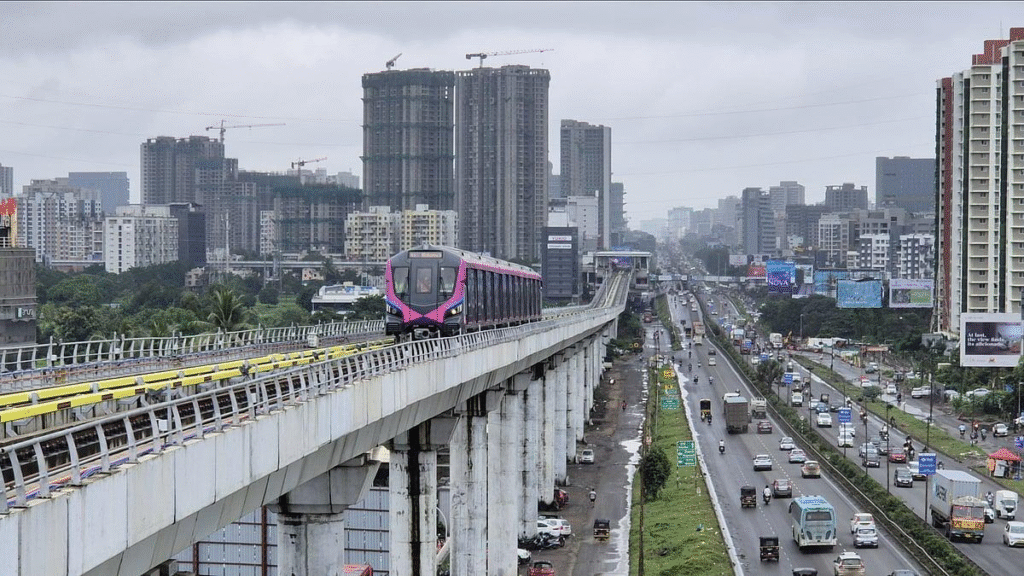
Before travelling, check the latest service information included in Pune Metro 2026: Everything You Need to Know.
Knowing the metro timings is essential for planning your daily commute.
For the new Pink Line, services began at 6:00 AM on November 4, 2026.
Its announced operating frequency is:
- Peak hours: Approximately every 6 minutes.
- Non-peak hours: Approximately every 12 minutes.
- First train from Maan: 6:00 AM.
- Last train from Maan: 10:30 PM.
- Last train from District Court towards Maan: 11:40 PM.
These timings make the Pink Line a useful transportation option for office commuters and other regular passengers.
The existing Purple and Aqua lines have their own published timetables. Their departure times and service frequency may differ from the Pink Line.
Why Should You Check Metro Timings Before Travelling?
A little planning can make your journey smoother.
Before leaving home:
- Check the first and last train timings.
- Confirm your nearest operational station.
- Check interchange requirements.
- Keep sufficient time for station entry and security checks.
- Check service updates during holidays and special events.
Timings can change, so always refer to the latest official timetable.
5. Pune Metro Ticket Prices and Booking Options
Affordable transportation is one of the major advantages of a metro network.
Passengers can use different ticketing options depending on the route and available facilities.
The existing Pune Metro network provides multiple ticketing methods, including:
Ticket Counter
Understanding ticket fares is another important part of Pune Metro 2026: Everything You Need to Know.
Passengers can purchase tickets directly from metro station counters.
This is a convenient option for people who do not regularly use the metro.
Automatic Ticket Vending Machines
Ticket vending machines allow passengers to purchase tickets at stations without waiting at a counter.
Online Ticket Booking
Digital ticketing options make it easier to plan journeys before reaching the station.
The official Pune Metro website also provides an option to book e-tickets through WhatsApp.
One Pune Mobility Card
The One Pune National Common Mobility Card offers a convenient digital payment option for metro travel.
It can help regular commuters avoid purchasing separate tickets for every journey.
What About Metro Fares?
Metro fares depend on the distance travelled, the route and the ticketing option.
Since the Pink Line is a new corridor, passengers should verify its current fare chart before travelling. Do not assume that the fare structure is identical to the existing Purple and Aqua lines.
For the latest fare information, visit the official Pune Metro website.
6. How Will Pune Metro Benefit Daily Commuters?
The expansion of Pune Metro is not just about adding more stations. It is about making everyday transportation more convenient.
Pune Metro 2026: Everything You Need to Know also explores the city’s upcoming metro expansion plans.
Here are some important benefits that commuters can expect.
1. Less Dependence on Private Vehicles
With better public transportation, more people may choose metro travel instead of taking their personal cars or two-wheelers.
2. Better Connectivity for IT Professionals
The Pink Line directly connects the Hinjewadi IT hub with Shivajinagar, creating another travel option for employees.
3. More Predictable Travel
Road journeys can become unpredictable due to traffic congestion, roadwork and weather conditions.
Metro services operate on scheduled routes, helping commuters plan their journeys more effectively.
4. Improved Access to Important Locations
The growing network connects several residential, educational, commercial and business areas.
5. Reduced Road Congestion
If more commuters shift towards public transportation, the number of private vehicles on busy roads could decrease.
6. Better Interchange Facilities
The connection at District Court allows passengers to transfer between different metro corridors.
7. Support for Students
Students travelling between educational institutions and residential areas can benefit from improved public transportation.
8. Convenient Travel for Families
Metro connectivity can make travelling across selected parts of Pune easier for families and visitors.
9. Environment-Friendly Transportation
Metro systems can reduce emissions per passenger when they replace individual vehicle journeys. The Pink Line’s planned solar power contribution also supports sustainable transportation.
10. Better Urban Development
Improved connectivity can encourage commercial activity and development around well-connected stations.
7. Pune Metro Phase 2: What Is Coming Next?
The development of Pune Metro does not stop with the launch of the Pink Line.
On November 3, 2026, the foundation stone was laid for four additional metro corridors under Phase 2.
The estimated investment for these projects is approximately ₹13,500 crore.
These corridors are planned to improve connectivity across major residential, commercial and IT areas.
Line 2A: Vanaz to Chandani Chowk
This extension will connect Vanaz with Chandani Chowk.
It is expected to improve connectivity towards western Pune and benefit residents travelling around these areas.
Line 2B: Ramwadi to Vitthalwadi
This extension will connect Ramwadi with Vitthalwadi.
It is planned to improve connectivity towards eastern Pune and surrounding residential and commercial areas.
Line 4: Kharadi to Khadakwasla
One of the major proposed corridors is Line 4.
This approximately 25.52-kilometre corridor will connect Kharadi with Khadakwasla.
It is planned to connect several important locations, including:
- Kharadi
- Magarpatta
- Hadapsar
- Swargate
- Nanded City
- Warje
- Khadakwasla
This route is expected to strengthen connectivity between eastern, central and southern parts of Pune.
Line 4A: Nal Stop to Manik Baug
The approximately 6.12-kilometre extension will connect Nal Stop with Manik Baug.
It will further extend the existing network towards southern residential areas.
These four corridors represent an important step towards expanding Pune’s public transportation infrastructure.
However, the foundation stone marks the beginning of the next development phase, not the start of passenger services. Construction and commissioning will take place separately.
8. How Will Pune Metro Expansion Affect Pune’s Real Estate and Businesses?
Transportation infrastructure can influence the development of a city.
When an area becomes better connected, it may become more attractive for residential and commercial development.
Pune Metro’s expansion could have a similar impact.
Residential Development
Areas with convenient metro access may attract homebuyers and tenants who want easier daily commuting.
Locations around Hinjewadi, Wakad, Balewadi and other connected areas may receive greater attention from people looking for convenient housing options.
However, property prices depend on several factors, including demand, infrastructure, amenities and market conditions.
Commercial Growth
Better connectivity can make business locations more accessible to employees, customers and visitors.
This may encourage commercial activity around metro-connected areas.
Growth of Local Businesses
Restaurants, retail stores, cafes and other businesses near metro stations may benefit from increased commuter movement.
Improved connectivity can also make it easier for customers to visit businesses located in different parts of the city.
For Pune’s growing business ecosystem, better transportation can create new opportunities.
9. Important Things to Know Before Travelling by Pune Metro
If you are planning to use Pune Metro regularly, keep these simple points in mind.
- Identify the nearest operational metro station.
- Check whether your destination requires an interchange.
- Verify the latest train timings.
- Check the applicable ticket fare.
- Use digital ticketing options where available.
- Follow station announcements and passenger instructions.
- Arrive early during peak commuting hours.
- Check for updates regarding newly opened stations.
Also, remember that metro connectivity does not always mean direct access to your final destination.
You may need a PMPML bus, auto-rickshaw, taxi or another last-mile transportation option.
Planning this part of your journey can save additional time.
10. What Does the Future of Pune Metro Look Like?
Pune is steadily moving towards a more connected urban transportation system.
The launch of the Pink Line and the announcement of four additional corridors show the growing importance of metro infrastructure in the city’s development.
The new network is expected to connect important employment centres, residential neighbourhoods, commercial hubs and educational institutions.
However, the success of this expansion will also depend on proper station access, feeder bus services, pedestrian infrastructure and convenient ticketing.
A well-connected metro network combined with reliable last-mile transportation can make public transport a practical choice for more Pune residents.
For a city that continues to grow, these developments could play an important role in shaping its future.
Frequently Asked Questions About Pune Metro 2026
1. What are the latest Pune Metro routes in 2026?
Pune Metro’s existing operational corridors are the Purple Line (PCMC to Swargate) and Aqua Line (Vanaz to Ramwadi). The new Pink Line connects Maan in Hinjewadi with District Court in Shivajinagar.
2. When did Pune Metro Line 3 start?
Pune Metro Line 3 was inaugurated on November 3, 2026. Commercial passenger services started on November 4, 2026.
3. How many stations are open on the Pune Metro Pink Line?
Out of 23 planned stations, 17 stations opened for passengers during the first phase on November 4, 2026. The remaining stations are planned to open in phases.
4. What are the timings of Pune Metro Pink Line?
The Pink Line started services at 6:00 AM. The last train departs Maan at 10:30 PM, while the last train from District Court towards Maan departs at 11:40 PM.
5. What is included in Pune Metro Phase 2?
Pune Metro Phase 2 includes four proposed corridors: Vanaz to Chandani Chowk, Ramwadi to Vitthalwadi, Kharadi to Khadakwasla and Nal Stop to Manik Baug.
Conclusion: Pune Is Moving Towards a Better Connected Future
Pune Metro’s expansion in 2026 marks an important development in the city’s transportation journey.
The launch of the Pink Line, improved connectivity to Hinjewadi and plans for four additional corridors bring new opportunities for commuters and businesses.
While some stations and future corridors are still under development, the growing metro network is a positive step towards making Pune more accessible and better connected.
Whether you are an IT professional, student, business owner or regular commuter, staying updated with Pune Metro developments can help you plan your travel better.
Want to stay updated with the latest Pune news, city developments, lifestyle stories and trending updates? Visit Wegwan Pune regularly and stay connected with everything happening in your city!
For more information, updates and interesting stories about Pune, keep following Wegwan Pune.